Section 202 senior housing in 2026: HUD’s rent program for adults 62+
If you’re 62 or older, living on a small fixed income, and worried about rent, there’s a federal program built for exactly your situation. It’s called Section 202 Supportive Housing for the Elderly, and it lets qualifying tenants pay about 30% of their adjusted income for an apartment while the government covers the rest. The catch isn’t the eligibility rules. It’s the wait.
What is Section 202, and who is it for?
Section 202 is one of the oldest housing programs the U.S. Department of Housing and Urban Development runs. HUD funds nonprofit and faith-based organizations to build and operate apartment communities designed specifically for older adults with very low incomes. According to USAGov, this is a form of privately owned, federally subsidized housing — the building belongs to a nonprofit sponsor, not to HUD, but the rent is held down by a federal contract.
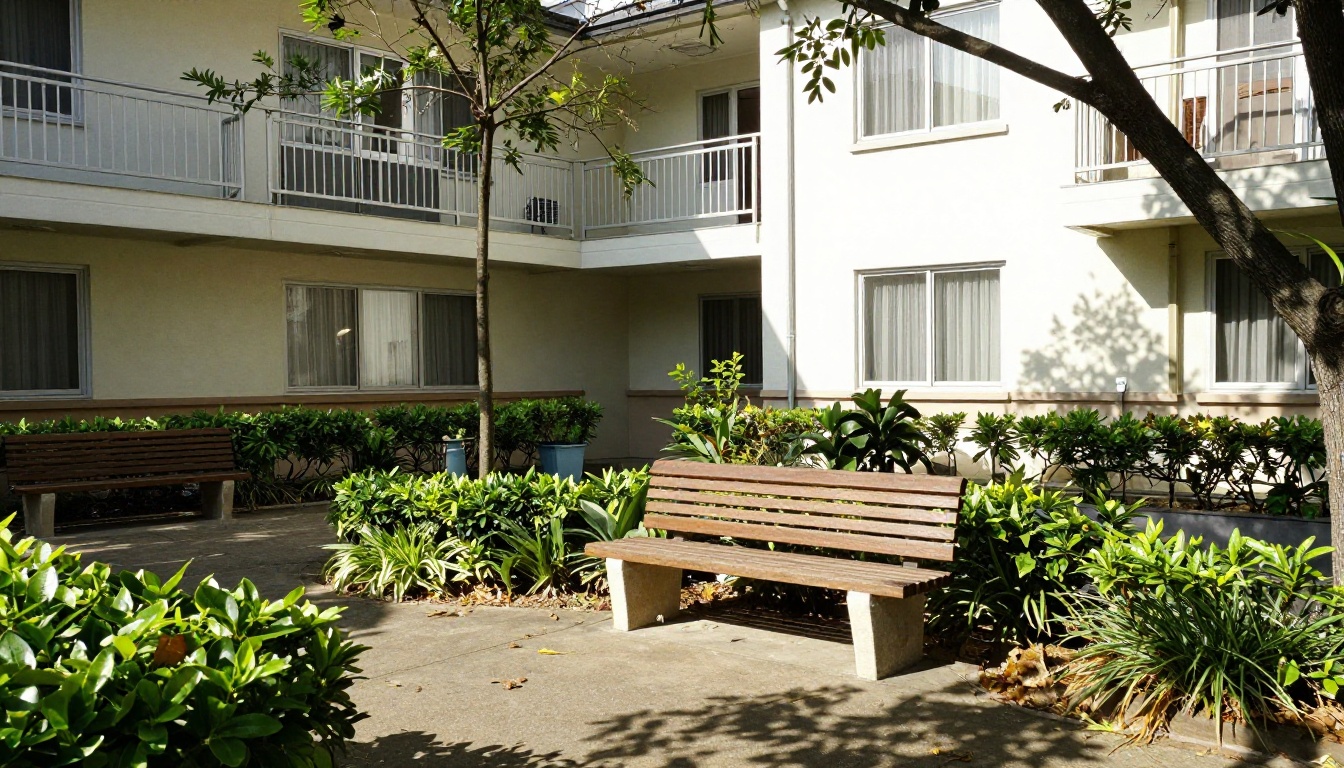
These aren’t nursing homes, and they aren’t assisted living in the medical sense. They’re regular apartments, usually one-bedroom or studio units, with grab bars, ramps, and other age-friendly features built in. Many properties employ a service coordinator whose job is to connect residents to help in the community — housekeeping, meal programs, transportation to the doctor, that sort of thing. The goal is simple: let people stay independent in their own place instead of moving somewhere more expensive and more restrictive.
Section 202 is aimed at a specific group. You have to be old enough, and you have to be poor enough. Both parts matter.
Do you qualify? The 62 rule and the income test
Two hard requirements sit at the center of the program. The first is age: at least one member of the household must be 62 or older. The second is income. Per the National Council on Aging, a household generally must earn less than 50% of the area median income (AMI) for the county where the property sits — the “very low income” tier HUD uses across its programs.
That 50% figure isn’t a national dollar amount. It floats with local wages, so the cutoff in a high-cost coastal county can be double the cutoff in a rural one. HUD publishes updated income limits every year, and the property manager checks your household against the limit for that exact location. You’ll also need to be a U.S. citizen or an eligible non-citizen, and you’ll pass an identity, income, and background check as part of applying.
There’s a newer wrinkle worth understanding. Under the Housing Opportunity Through Modernization Act (HOTMA), HUD set an asset limit that took effect January 1, 2026. New applicants for federal rental assistance generally can’t hold more than $105,574 in net assets, and there’s a related threshold of $52,787 below which a household can self-certify its assets. Those figures come from HUD’s 2026 inflation-adjusted values. Not every Section 202 unit carries the same rental-assistance contract, so ask the specific property how the asset rules apply to it — the treatment can differ between older and newer buildings.
Does a modest savings account disqualify you? Usually not — the limit is high enough that most low-income retirees fall well under it. Your home equity, if you still own a home you’re selling, is where this more often comes into play.
What will you actually pay?
Here’s the part that makes Section 202 valuable. Tenants typically pay 30% of their adjusted monthly income toward rent, and the federal subsidy covers the difference between that and the unit’s actual cost. If your adjusted income works out to $1,200 a month, your rent lands around $360. If it’s $900, you pay roughly $270.
“Adjusted income” isn’t your gross Social Security check. HUD subtracts certain amounts first — deductions for being elderly, for out-of-pocket medical costs above a threshold, and for some disability-related expenses. That math often lowers the rent below what a flat 30%-of-gross calculation would suggest. The property manager runs the numbers with you.
Compare that to the open market, where a one-bedroom can eat 50%, 60%, even 70% of a small fixed income. For someone stretching a single Social Security benefit, the difference between a market rent and a 30%-of-income rent is frequently the difference between staying housed and not. It’s why the CFPB points renters toward subsidized options and local assistance programs as a first stop when housing costs get out of reach.
How do you apply — and why the wait matters
There’s no single national application. HUD doesn’t lease these units; the nonprofit that owns each building does. To get in, you contact the property directly and ask two questions: is your waiting list open, and can I have an application?
To find properties, use HUD’s online Resource Locator and choose the option to find affordable elderly and special-needs housing. Apply to several buildings at once if you can — each keeps its own list, and being on more lists improves your odds. When you apply, expect to document identity, income, assets, and rental history for every household member.
Now the hard truth. Demand for Section 202 far outstrips supply, and wait lists commonly run one to three years — sometimes longer. AARP notes that long wait lists reflect the sheer number of older adults who need this kind of housing and can’t find it. Some buildings close their lists entirely when they get too long, then reopen them later, so a “no” today doesn’t mean never. Get on lists as early as you reasonably can, keep your contact information current with each property, and respond quickly when they reach out — missing a notice can send you back to the bottom.
While you wait, don’t leave other help on the table. Programs like LIHEAP energy assistance and SNAP food benefits for seniors can free up cash for rent in the meantime, and a local Public Housing Agency may have Housing Choice Vouchers (Section 8) or public housing units with shorter timelines.
What to remember
Section 202 offers rent-controlled apartments for adults 62 and older with very low incomes, and residents generally pay just 30% of their adjusted income. Qualifying is mostly about age and the 50%-of-area-median-income limit, with a 2026 asset ceiling of $105,574 for new applicants under HOTMA. The real obstacle is the waiting list, so apply to multiple properties early through HUD’s Resource Locator and stay reachable. None of this is legal or financial advice — for your exact numbers and options, talk with the property manager or a HUD-approved housing counselor.
Sources
- HUD Exchange. “Section 202 Supportive Housing for the Elderly Program.” 2026. https://www.hudexchange.info/programs/section-202/
- National Council on Aging. “A Guide to Section 202 Low-Income Housing for Older Adults.” 2026. https://www.ncoa.org/article/a-guide-to-section-202-low-Income-housing-for-older-adults/
- HUD User. “2026 HUD Inflation-Adjusted Values (Table 1), Effective January 1, 2026.” 2026. https://www.huduser.gov/portal/sites/default/files/datasets/inflationary-adjustments/CY2026-Revised-Amounts-And-Passbook-Rate.pdf
- USAGov. “Rental assistance.” 2026. https://www.usa.gov/rental-housing-programs
- Consumer Financial Protection Bureau. “Get help paying rent and bills.” 2026. https://www.consumerfinance.gov/housing/housing-insecurity/help-for-renters/get-help-paying-rent-and-bills/
- AARP. “Subsidized Rental Housing (Policy Book).” 2026. https://policybook.aarp.org/policy-book/housing/affordable-housing/subsidized-housing