This article is general information, not medical advice. Talk with a licensed clinician before making any decision about your care.
Cataract surgery and Medicare in 2026: what’s covered, what isn’t, and what it really costs
Cataract surgery is one of the most common procedures Medicare pays for, and the basic math hasn’t changed much for 2026: Part B covers 80% of the medically necessary surgery after you meet the annual deductible, the price includes a standard lens implant, and you get one pair of glasses afterward at the same cost share. What changes the bill is the upgrade menu your surgeon’s office hands you at the consult. Premium intraocular lenses, laser refinements, and astigmatism correction can run roughly $1,500 to $3,500 per eye out of pocket, and none of it gets billed to Medicare.
What does Original Medicare cover in 2026?
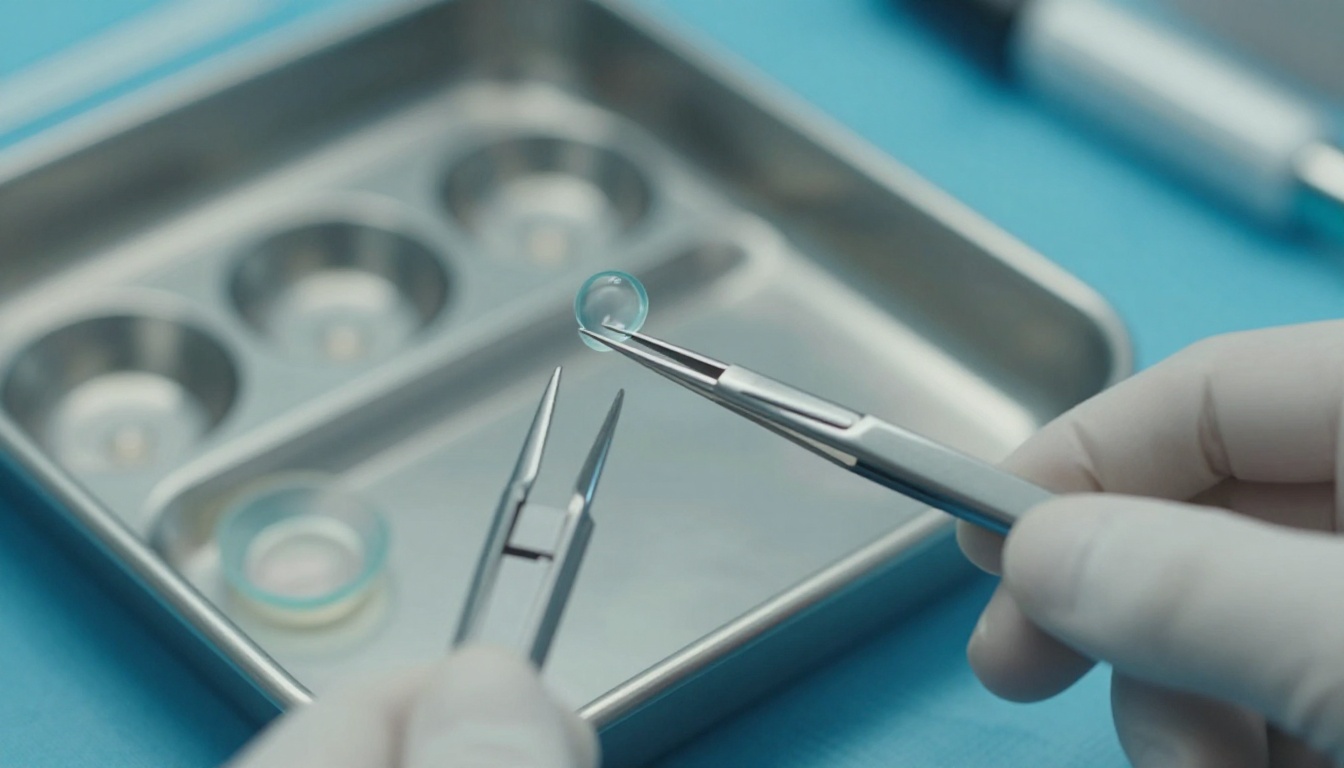
Part B treats cataract surgery as outpatient medical care, not vision care. According to Medicare.gov, the program covers the surgeon’s fee, anesthesia, the facility charge at a hospital outpatient department or ambulatory surgical center, and a conventional monofocal intraocular lens (IOL) to replace the clouded natural one. After the procedure, Part B also covers one pair of standard eyeglasses or one set of contact lenses through Medicare’s post-cataract eyewear benefit — a benefit that exists only after cataract surgery with an IOL implant, and one most beneficiaries don’t realize they have.
The cost share is standard Part B math. The Centers for Medicare & Medicaid Services announced in November 2025 that the 2026 Part B annual deductible is $283 and the standard monthly premium is $202.90. Once you’ve met the deductible, you owe 20% of the Medicare-approved amount to the surgeon and 20% to the facility. Using Medicare’s own Procedure Price Lookup for the standard complex cataract code, that 20% lands around $242 at an ambulatory surgical center and roughly $456 at a hospital outpatient department per eye — before any Medigap or other supplemental coverage picks up its share.
Doctors don’t recommend surgery the moment a cataract appears on an exam. The National Eye Institute notes that most people don’t need to rush, and waiting usually won’t harm the eye or make the procedure harder later. Medicare’s coverage hook is medical necessity. Your ophthalmologist has to document that the cataract is interfering with daily activities like driving, reading, or watching television. By age 80, most Americans either have cataracts or have had them removed, so the procedure is routine — but it’s still surgery, and Part B doesn’t pay until the clinical case is on paper.
Where premium lens upgrades change the math
Standard IOLs correct distance vision in one fixed plane. If you have astigmatism or want help with reading without glasses, the surgical practice will offer a premium IOL. Toric lenses correct astigmatism, presbyopia-correcting lenses (multifocal, trifocal, or extended depth of focus) reduce the need for reading glasses, and newer light-adjustable lenses can be fine-tuned with UV light in the weeks after surgery. None of those features are covered by Medicare.
Here’s the billing rule in plain English: Medicare pays its full share of the surgery and what a standard lens would have cost, and you owe the difference for the upgraded lens plus the additional testing, measurements, and refinements that come with it. Out-of-pocket figures from ophthalmology practices generally run about $1,500 per eye for a toric lens and roughly $2,500 to $3,500 per eye for a presbyopia-correcting lens. Premium cataract surgery can easily triple total out-of-pocket compared to a routine Part B case.
Laser-assisted cataract surgery sits in the same gray zone, with one important catch. CMS billing rules say the femtosecond laser cannot be charged to the patient when it’s used for the covered steps of a standard cataract procedure — the incision, the capsulotomy, the lens fragmentation. The laser fee can only be billed separately when it’s tied to the additional refractive work bundled with a premium IOL. If a practice quotes a flat “laser fee” on top of a standard surgery with a conventional lens, that’s a charge Medicare’s own billing rules don’t permit, and it’s worth pushing back on in writing.
A short, blunt point: the upgrade decision is yours, but the practice has every incentive to recommend one.
Premium lenses aren’t medically necessary. They’re a quality-of-life choice, and a reasonable one for some patients. Ask the surgical coordinator for the line-item price in writing before you sign anything, and confirm that the quoted figure includes the lens itself, the additional pre-op measurements, and any post-op refinements or enhancements.
Original Medicare or Medicare Advantage — does it matter for cataract surgery?
Both routes cover the same basic procedure, but the friction and the cost share look very different. Under Original Medicare, you can use any provider that accepts Medicare, prior authorization is generally not required, and your 20% coinsurance has no annual cap unless you carry a Medigap policy. A Medigap Plan G policy picks up the full 20% coinsurance after the Part B deductible, which often means the only direct cataract bill you see is the deductible itself plus anything you choose to upgrade.
Medicare Advantage plans must cover everything Original Medicare covers. The structure is different: copayments instead of straight coinsurance, a maximum out-of-pocket limit that protects you on the high end, and an in-network provider list that may or may not include your preferred surgeon. Prior authorization is the main friction point. Kaiser Family Foundation data shows Medicare Advantage insurers issued nearly 53 million prior authorization determinations in 2024, and cataract surgery is one of the procedures CMS officials have publicly questioned needing review for at all. If you’re on an Advantage plan, ask the surgeon’s office to confirm prior authorization is in hand before the date is booked.
Some Medicare Advantage plans also include extra vision benefits — routine eye exams, additional glasses allowances — that Original Medicare doesn’t offer. That can soften the post-surgery cost slightly, though it doesn’t change the underlying cataract coverage. For a wider view of how the two paths compare on cost, networks, and out-of-pocket limits, see Original Medicare versus Medicare Advantage in 2026.
How to keep your cataract costs predictable
Get the cost estimate in writing before scheduling. Medicare publishes a Procedure Price Lookup tool at Medicare.gov that shows the average national price and your expected coinsurance for both ambulatory surgical centers and hospital outpatient departments for the same procedure code. The setting matters more than most patients realize: hospital outpatient departments often bill substantially higher facility fees than ambulatory surgical centers for the same surgery, and the lookup will show you the gap before you book.
Then ask the practice three questions. What is the all-in price if I choose the standard, Medicare-covered lens? If I’m being offered a premium IOL or laser package, what is the itemized cash price and what does Medicare still cover? And — for Medicare Advantage enrollees — is prior authorization required, and is it already approved in writing? A clear paper trail before surgery prevents surprise balance bills afterward. Talk to your ophthalmologist and your plan, not just a surgical coordinator with an upgrade quota, before signing onto a premium lens.
What to remember
Original Medicare pays 80% of a medically necessary cataract surgery after the 2026 Part B deductible of $283, and it includes a standard intraocular lens and one pair of post-surgery glasses or contact lenses. Premium lens upgrades, laser fees tied to those upgrades, and refractive enhancements aren’t covered, and they typically add $1,500 to $3,500 per eye out of pocket. Medigap can erase most of the 20% coinsurance on the covered portion; Medicare Advantage covers the same procedure but may require prior authorization and a network surgeon. The cataract decision is largely clinical. The lens decision is financial — and worth a written quote before surgery day.
This article is general information, not medical or financial advice. Talk with your ophthalmologist and your Medicare plan before scheduling.
Sources
- Medicare.gov. “Cataract surgery.” 2026. https://www.medicare.gov/coverage/cataract-surgery
- Medicare.gov. “Eyeglasses & contact lenses.” 2026. https://www.medicare.gov/coverage/eyeglasses-contact-lenses
- Centers for Medicare & Medicaid Services. “2026 Medicare Parts A & B Premiums and Deductibles.” 2025. https://www.cms.gov/newsroom/fact-sheets/2026-medicare-parts-b-premiums-deductibles
- National Eye Institute, NIH. “Cataracts.” 2024. https://www.nei.nih.gov/learn-about-eye-health/eye-conditions-and-diseases/cataracts
- KFF. “Medicare Advantage Insurers Made Nearly 53 Million Prior Authorization Determinations in 2024.” 2025. https://www.kff.org/medicare/medicare-advantage-insurers-made-nearly-53-million-prior-authorization-determinations-in-2024/