Living-trust mill scams in 2026: when a free estate-planning seminar is not free
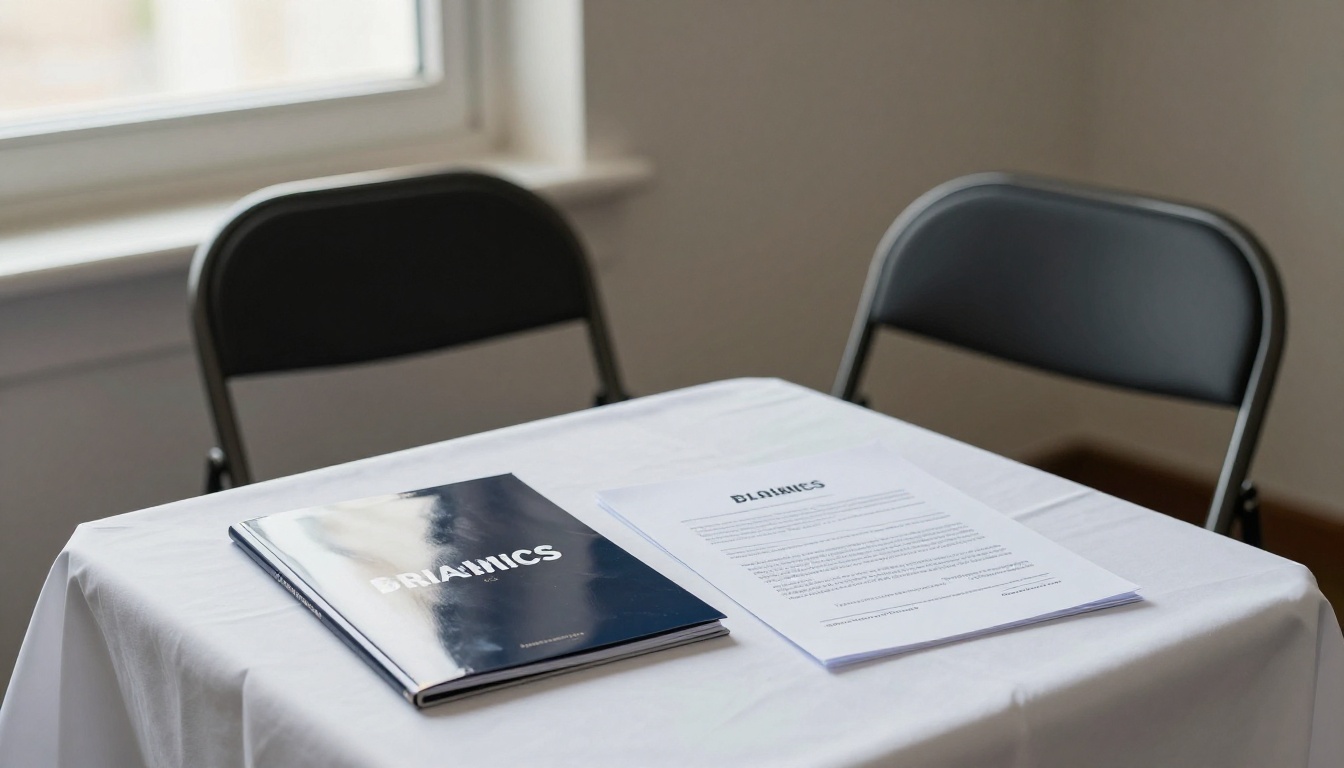
Someone invites you to a free lunch-and-learn on wills, trusts, and “protecting your assets from the government.” The speaker sounds knowledgeable, the sandwiches are fine, and a friendly person offers to stop by your house next week to finish the paperwork. That home visit is where the real business happens—and it usually isn’t estate planning. It’s a sales pitch for a high-commission annuity you probably don’t need. Regulators call the operation a “living-trust mill,” and it’s still very much alive in 2026.
What exactly is a living-trust mill?
A trust mill uses a living trust as bait. The trust itself is often a cheap, one-size-fits-all template—sometimes prepared by people who aren’t lawyers at all—and it’s not the point. The point is to get inside your finances.
Here’s how the California Attorney General describes it: salespeople pose as “estate planners” or “trust advisors,” offer a free seminar or a free in-home review, and use that access to learn what you own. Once they see your savings, they steer you toward cashing out safe accounts—CDs, mutual funds, money-market funds—to buy a deferred annuity that pays them a fat commission. The trust was never the product. Your account balance was.
The people running these pitches lean on titles that sound official. “Certified estate planner.” “Senior trust specialist.” Most of those credentials aren’t licenses to practice law, and in several states, having a non-lawyer draft your trust documents is itself the unauthorized practice of law. In 2009 the Ohio Supreme Court fined two California companies more than $6 million for thousands of counts of exactly that—selling trusts and annuities to elderly Ohioans without the legal standing to do it.
Why annuities are the payoff
Not every annuity is a scam. Some retirees genuinely benefit from one. But the annuities pushed by trust mills tend to be a poor fit for the very people being sold—and that’s the tell.
Deferred annuities lock your money up. The Minnesota Attorney General has warned for years that these products carry surrender charges—penalties for taking your own money out early—that typically run for six to eight years, and sometimes far longer. The office has sued over annuities with deferral periods stretching past 15 years, sold to buyers who might need that cash for medical care or assisted living long before the surrender window closes. If you’re 78 and your money is trapped until you’re 93, whose interest does that serve?
The sales script papers over all of it. Scammers often claim an annuity is “government guaranteed.” It isn’t. Only a portion is backed by a state guaranty association, and insurance companies can and do fail. They rarely spotlight the surrender schedule, and they push you to sign before you’ve had time to show the contract to anyone you trust. If you want to understand where annuities actually make sense—and where they don’t—it’s worth reading up on annuities for retirees and when they’re worth it before, not after, someone hands you a pen.
How big is this problem in 2026?
Fraud against older Americans has climbed sharply, and the schemes that drain the largest sums—investment and impersonation scams, the family that trust mills belong to—are driving the increase.
According to the Federal Trade Commission, reported fraud losses among adults 60 and older jumped roughly fourfold, from about $600 million in 2020 to about $2.4 billion in 2024. The pattern at the top end is worse: the number of older adults reporting losses over $100,000 rose nearly sevenfold, and the combined dollars they lost went up eightfold. In its December 2025 report to Congress, the FTC estimated the true cost of fraud to older adults in 2024 at somewhere between $10.1 billion and $81.5 billion, because most of it never gets reported at all.
Trust-mill losses hide inside those numbers. When someone convinces you to move $150,000 out of insured accounts and into a locked annuity you didn’t need, the harm doesn’t always look like a “scam” on paper. It looks like a sale.
Red flags and how to protect yourself
The warning signs cluster together, and once you know them they’re hard to miss. Be skeptical if any of these show up:
- A “free” seminar or home visit that quickly turns to your account balances and investment statements.
- A one-size-fits-all claim that everyone needs a living trust—most estates are settled fine with a will and beneficiary designations.
- Scare tactics: your money “isn’t safe,” probate will “eat” your estate, the government will take it.
- Pressure to decide today, or to sign before a lawyer or family member reviews the documents.
- A pitch that pivots from the trust to an annuity, with vague promises that it’s “guaranteed.”
Slow everything down. A real estate plan is built around your family, your assets, and your state’s law—not sold off a table at a restaurant. Before you sign anything, have the documents reviewed by a licensed attorney you chose, not one the salesperson “works with.” You can verify whether someone is actually a lawyer through your state bar association (California’s, for example, runs a hotline at 866-442-2529). And if you already bought an annuity you regret, check your free-look period—many states give buyers, especially those 60 and older, a window to cancel for a full refund. Report a suspected trust mill to your state attorney general and to the FTC at ReportFraud.ftc.gov.
For the broader picture of building a real estate plan on your own terms, our guide to estate-planning essentials after 65 walks through the documents that actually matter. None of this replaces advice from a licensed attorney or a fee-only financial planner who works for you.
What to remember
A living-trust mill dresses up a commission-driven annuity sale as friendly estate-planning help, and the “free” seminar is the door it walks through. The trust is bait; your savings are the target; the surrender charges and the “government guaranteed” line are where the damage lives. Take your time, get any document reviewed by a lawyer you picked yourself, and remember that legitimate professionals won’t panic you into signing over lunch.
Sources
- Federal Trade Commission. “False alarm, real scam: how scammers are stealing older adults’ life savings.” 2025. https://www.ftc.gov/news-events/data-visualizations/data-spotlight/2025/08/false-alarm-real-scam-how-scammers-are-stealing-older-adults-life-savings
- California Attorney General. “Living Trust Scams and the Senior Consumer.” 2025. https://oag.ca.gov/consumers/general/living_trust_scams
- Federal Trade Commission. “FTC Issues Annual Report to Congress on Agency’s Actions to Protect Older Adults.” 2025. https://www.ftc.gov/news-events/news/press-releases/2025/12/ftc-issues-annual-report-congress-agencys-actions-protect-older-adults
- Minnesota Attorney General. “Annuities: Unsuitable Investments for Seniors.” 2025. https://www.ag.state.mn.us/consumer/Publications/AnnuitiesUnsuitableInvforSeniors.asp